
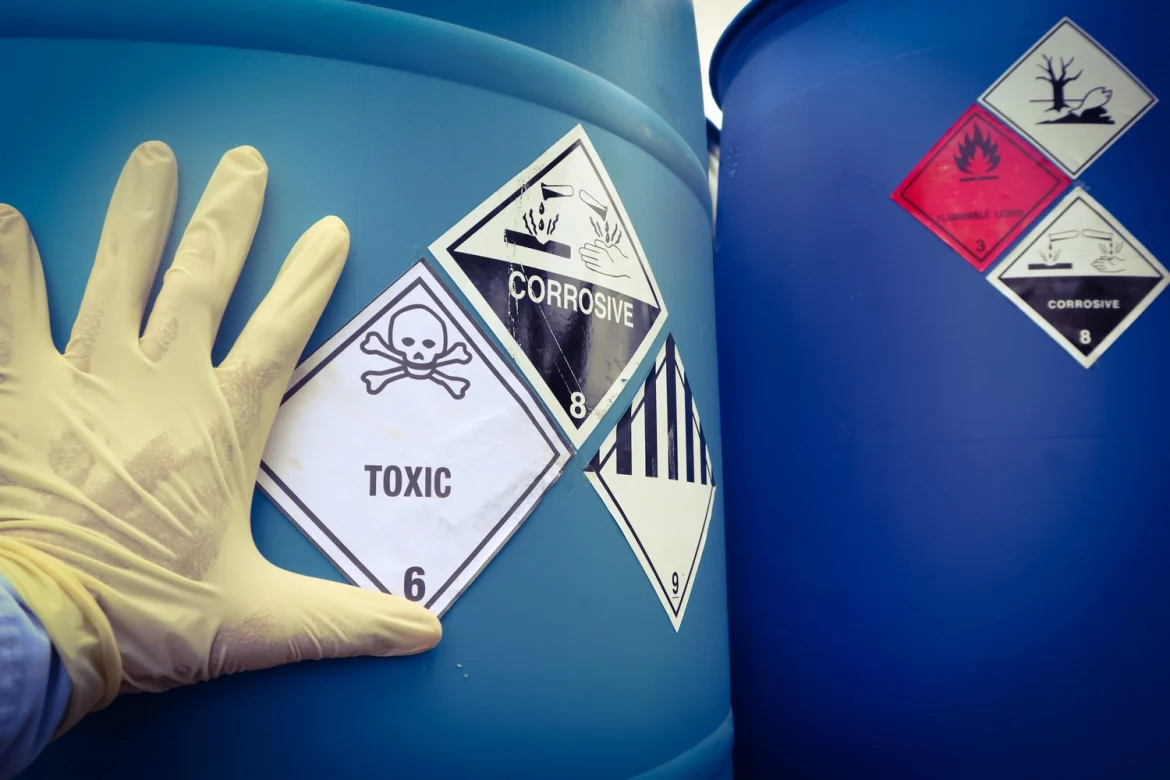
In the world of environmental management, hazardous waste disposal is often treated as a technical hurdle. However, beneath the surface of compliance and logistics lies a complex ethical and scientific imperative: the protection of our molecular heritage. Every decision made during the hazardous waste disposal process ripples through time, determining whether our soil and water will remain viable for generations to come.
The Science of Containment: Engineering for Eternity
The most challenging aspect of hazardous waste disposal Jackson, Mississippi is the sheer longevity of the materials involved. Unlike organic household waste, which breaks down over months, the heavy metals and persistent organic pollutants involved in hazardous waste disposal do not simply “disappear.”
To address this, modern hazardous waste disposal engineers utilize Vitrification. This process involves melting the waste at extremely high temperatures and mixing it with glass-forming additives. The result is a solid, glass-like substance that is chemically stable and physically durable. This method of hazardous waste disposal ensures that even if a container eventually fails, the toxic elements are “locked” inside a molecular cage, preventing them from leaching into the ecosystem for thousands of years.
Understanding the “Generator” Status
One of the most nuanced parts of hazardous waste disposal St. Louis, Missouri is determining how much waste a facility produces, as this dictates the level of oversight required. Regulations typically split organizations into three tiers:
-
Very Small Quantity Generators (VSQGs): Those producing less than 100 kg of hazardous waste per month.
-
Small Quantity Generators (SQGs): Those producing between 100 kg and 1,000 kg per month.
-
Large Quantity Generators (LQGs): Those producing 1,000 kg or more per month.
Regardless of size, the core requirement remains the same: the hazardous waste disposal path must be documented. Even a small laboratory must prove that their chemical byproducts didn’t end up in a standard dumpster, as the environmental impact of a single gallon of improperly handled solvent can contaminate millions of gallons of groundwater.
Emerging Trends: The “Green” Side of Hazardous Waste Disposal
We are currently seeing a paradigm shift in how we view hazardous waste disposal Las Vegas, Nevada. Instead of seeing it as an end-point, innovators are seeing it as a source of “Urban Mining.”
-
Solvent Recovery: Instead of traditional hazardous waste disposal through incineration, many facilities now use fractional distillation to purify spent solvents, allowing them to be reused in industrial processes.
-
Metal Reclamation: Modern hazardous waste disposal techniques can now strip precious metals like gold, palladium, and copper from hazardous electronic waste or plating sludges.
-
Fuel Blending: Certain flammable liquids destined for hazardous waste disposal are now blended into high-BTU fuels used to power cement kilns, effectively using the waste’s energy potential while destroying its toxic components.
The Role of Digital Tracking in Modern Disposal
In the past, the paper trail for hazardous waste disposal Jersey City, New Jersey was prone to errors and loss. Today, the industry is moving toward e-Manifest systems. These digital platforms allow for real-time tracking of waste from the moment it is loaded onto a truck until the final hazardous waste disposal facility confirms its receipt. This transparency reduces the risk of “midnight dumping” and ensures that every gram of toxic material is accounted for, providing peace of mind for both the generator and the public.
A Call to Proactive Management
Effective hazardous waste disposal Newark, New Jersey is not a reactive task to be handled when drums are full. It is a proactive strategy that begins with Waste Minimization. By substituting less toxic materials in the manufacturing stage, companies can reduce their hazardous waste disposal footprint, lowering both their environmental impact and their operational costs.
When we prioritize high-standard hazardous waste disposal, we aren’t just following the law – we are participating in a global effort to maintain the chemical integrity of our planet.